


Zamora Forest Restoration Project
The forest restoration project in Ejido Zamora, covering 5,189 hectares, aims to implement Canopia Carbon's forest carbon program to restore forest areas and improve the quality of life of Ejido forest owners by generating economic resources from the sale of carbon credits. In addition, the project aims to contribute significantly to the mitigation of greenhouse gas emissions, thus promoting sustainable and responsible environmental management.
Environmental Impacts
This project will generate around 30,000 carbon credits annually.
Greenhouse gas emissions of around 30,000 tons of CO2e will be mitigated annually through the restoration and protection of approximately more than 5,000 hectares of rainforest, increasing carbon stocks and contributing to the fight against climate change. In addition, forest cover and associated ecosystem services will be conserved, reducing the risks of degradation, forest fires, and soil loss. The project will promote the recovery and protection of regional biodiversity, habitat for numerous species of wild flora and fauna—including amphibians, reptiles, birds, and mammals such as howler monkeys, spider monkeys, ocelots, and pumas—strengthening the ecological balance and resilience of the tropical ecosystems of the Yucatan Peninsula.
.jpeg)
Social Impacts
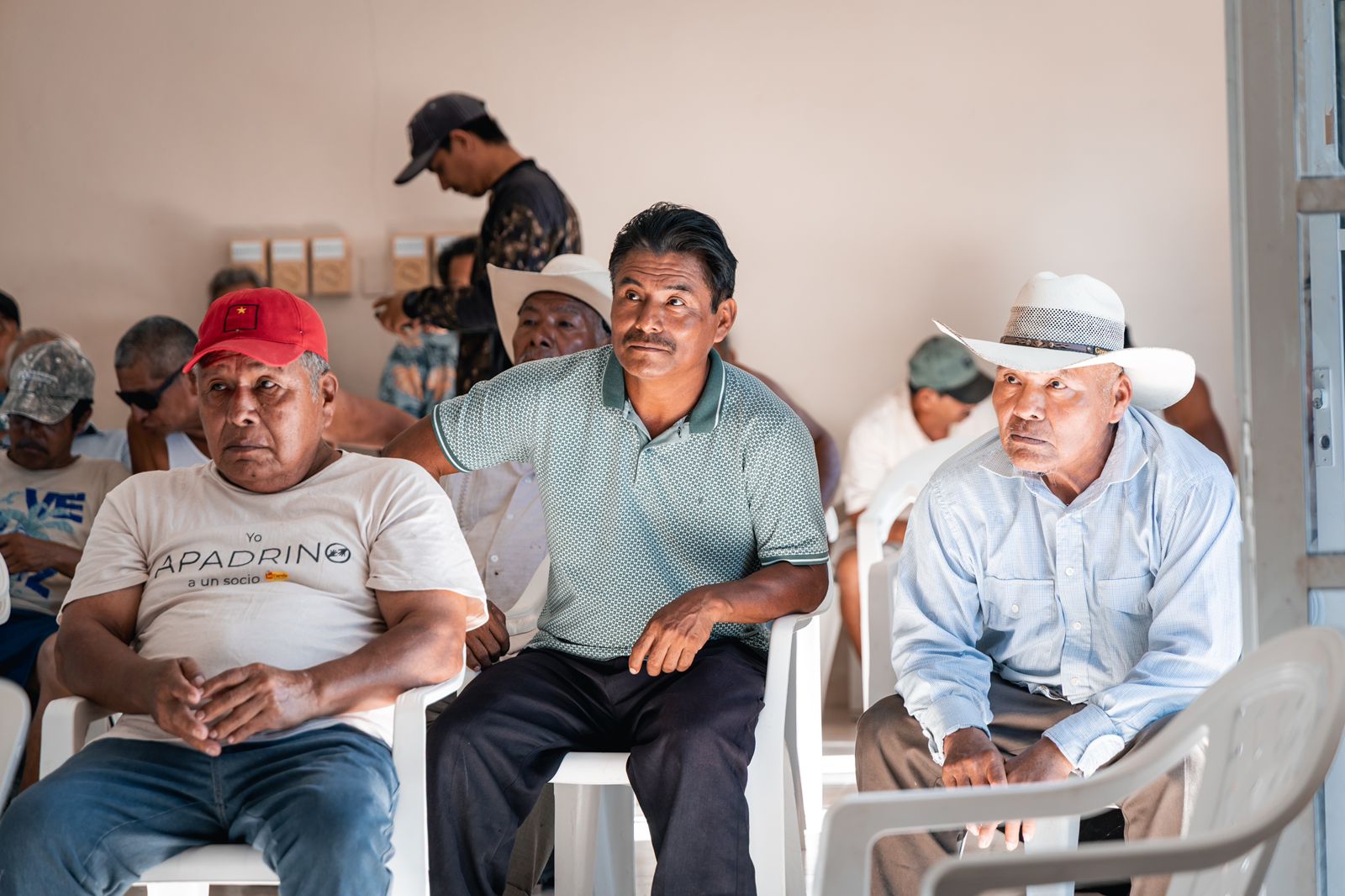
The forest restoration project in Ejido Zamora is expected to generate economic, social, and organizational benefits that will contribute to improving the quality of life of its inhabitants, through income derived from the sale of carbon credits and the creation of temporary and long-term jobs associated with restoration and monitoring activities. It will also strengthen local capacities through technical training, community participation, and ejido governance, promoting the inclusion of different social groups—including women and young people—in decision-making and productive activities.
The project will also promote land conservation, sustainable use of natural resources, and social cohesion by addressing community needs, reducing environmental risks such as fires and degradation, and strengthening collective identity and commitment to protecting their natural heritage.
Sustainable Development Goals (SDGs) achieved
.svg)
.svg)
.svg)
Terrestrial Ecosystem Life
Protect, restore and promote the sustainable use of terrestrial ecosystems, sustainably manage forests, combat desertification, halt and reverse land degradation and halt biodiversity loss.
Decent Work and Economic Growth
Promote sustained, inclusive and sustainable economic growth, full and productive employment and decent work for all.
Partnerships for Achieving the Goals
Strengthen the means of implementation and revitalize the Global Partnership for Sustainable Development
